What Lies Ahead for TV Repairs: Key Trends and Innovations Shaping the Industry
The world of TV repairs is transforming, shaped by artificial intelligence and smart innovations. Technicians face the challenge of developing advanced competencies as smart TVs become increasingly complex. Simultaneously, do-it-yourself approaches are rising in popularity, enabled by smartphone applications and discussion platforms. Eco-conscious approaches are growing in prominence, encouraging environmentally responsible servicing. As these trends unfold, one must consider how they will reshape the repair landscape and consumer habits moving forward.
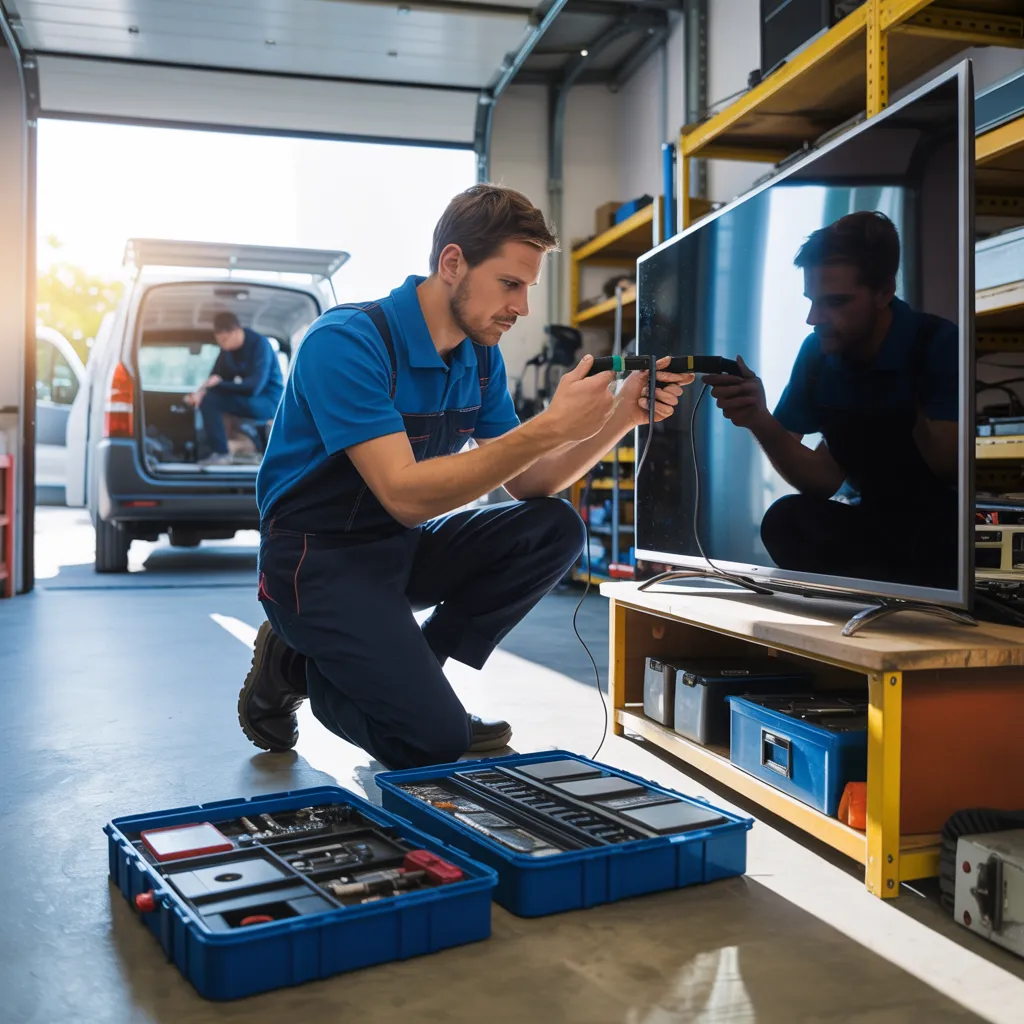
How Smart Technology is Transforming TV Repairs
As intelligent technology keeps advancing, its influence on TV repairs has become increasingly significant. Contemporary televisions, featuring sophisticated capabilities and connectivity options, have transformed the repair service industry. Repair professionals now face a range of intelligent features, including streaming capabilities, integrated applications, and network connectivity, all of which require specialized knowledge for effective diagnostics and repairs.
In addition, intelligent technology allows off-site diagnostics, enabling service providers to diagnose issues remotely. This not only reduces repair times but also enhances customer satisfaction. That said, the intricacy of smart TVs creates difficulties; technicians must continually update their skills to keep up with the rapidly evolving technology.
Moreover, the abundance of online resources and forums promotes information sharing among professionals, nurturing a collaborative environment for addressing challenging repair problems. Therefore, intelligent technology is transforming the television repair industry, stressing the demand for flexibility and specialized knowledge in an continuously developing landscape.
Artificial Intelligence and Its Role in TV Diagnostics
Artificial intelligence is transforming TV diagnostics by improving the accuracy of fault detection. Through advanced algorithms, AI can analyze performance data and identify issues more reliably than traditional methods. Moreover, predictive maintenance capabilities driven by AI can foresee potential breakdowns, decreasing downtime and the cost of repairs.
Advanced Diagnostic Accuracy
Although conventional diagnostic approaches frequently depend on technician expertise, the incorporation of artificial intelligence has substantially advanced the reliability and performance of TV diagnostics. AI algorithms can analyze vast amounts of data from customer feedback, service records, and component performance patterns, enabling precise identification of faults. By employing advanced machine learning processes, these systems perpetually refine their analytical abilities, adjusting to emerging models and evolving technologies. This evolution decreases the duration of the diagnostic process and lowers the potential for technician errors. Moreover, artificial intelligence diagnostics can equip technicians with valuable guidance, streamlining the repair process. As a result, customers enjoy faster and more dependable service, profoundly changing the way television repairs are handled in an ever-evolving and complex technological environment.
Proactive Maintenance Solutions
Harnessing the capabilities of artificial intelligence, AI-driven maintenance solutions are reshaping TV diagnostics. These cutting-edge systems analyze historical performance data and real-time usage patterns to predict potential failures before they occur. By utilizing machine learning algorithms, they detect anomalies that could indicate underlying issues, allowing technicians to address problems preemptively. This transition from reactive to predictive maintenance minimizes downtime and lowers repair costs. Furthermore, AI-driven diagnostics improve customer satisfaction by guaranteeing a seamless viewing experience. As the industry continues to embrace these developments, the integration of predictive maintenance will likely become standard practice, fundamentally altering the landscape of TV repairs and maintenance, while maximizing the lifespan of devices.
DIY Methods: Tools and Applications for Television Fixes
More and more people are embracing DIY solutions for TV repairs, driven by the rapid growth of dedicated repair tools and smartphone apps. Such advancements enable individuals to handle typical faults without seeking professional support. Various tools, such as multimeters and soldering kits, have become more accessible, enabling hobbyists to diagnose problems effectively. Mobile apps offer instructional videos, step-by-step guides, and troubleshooting checklists, transforming the repair experience into a more approachable endeavor.
Community forums and social media groups further enhance the DIY experience, enabling users to exchange tips and fixes. With the rise of augmented reality applications, people important guide can see repair processes unfold instantly, boosting precision and self-assurance. This transition to independent repairs not only cuts expenses but also builds a feeling of achievement. As technological advancements persist, the realm of TV maintenance is growing impacted by self-repair culture, indicating a profound change in how consumers approach repairs.
Can DIY Methods Be Effective for TV Repairs?
How efficient are DIY methods for TV repairs? The success of DIY solutions differs significantly, subject to the kind of fault and the user's technical ability. Several frequent faults, such as minor screen glitches or connectivity issues, can often be resolved with basic tools and online resources. Enthusiasts equipped with the right knowledge and tools may successfully fix issues, possibly reducing service expenses.
Nevertheless, more intricate problems, including, internal hardware failures or intricate software malfunctions, might present hurdles that surpass the average DIYer's expertise. In such situations, incorrect repair attempts might bring about further damage, resulting in higher repair costs or the need for full replacement. Moreover, the manufacturer's warranty of a television could be voided by unauthorized service attempts. In the end, while DIY solutions may prove successful for particular cases, care and a thorough awareness of individual boundaries are essential for favorable results.
Going Green: Sustainable TV Repair Alternatives
Adopting environmentally friendly repair options for televisions has gained significant traction as consumers grow more aware of environmental issues. Service centers are steadily adopting sustainable practices, such as utilizing biodegradable materials and green solvents, which minimize environmental damage. Many technicians now prioritize restoring parts instead of swapping out whole devices, extending the life of televisions and minimizing electronic waste.
In addition, certain manufacturers run return programs, allowing consumers to drop off used televisions for proper recycling. This not only stops landfill accumulation but also guarantees that precious resources are recovered and reused. Because of this, the market sees a surge in collaborations between maintenance shops and recycling centers, advancing a closed-loop economy.
Furthermore, manufacturers are starting to develop TVs with greater disassembly ease in mind, enhancing repairability and reducing environmental impact. These shifts signify a unified transition towards more sustainable practices, positioning the industry in line with broader sustainability goals while addressing the needs of the sustainability-minded consumer.
DIY or Professional Repairs: Which Option Suits You Best?
The increasing interest in sustainable repair alternatives has led many consumers to contemplate the optimal strategy for fixing their televisions. Deciding between professional services and DIY repairs typically copyrights on personal expertise, self-assurance, and the complexity of the problem. Handling repairs independently can be enticing for people possessing technical skills, as they deliver monetary savings and a feeling of achievement. Despite these benefits, there are inherent risks involved, such as the possibility of damaging the device or causing personal harm.
Conversely, skilled repair services deliver professionalism and are generally covered by warranties, ensuring that the television is handled correctly and safely. This option is particularly advisable for complex issues or high-end models. In the end, the choice depends on weighing individual skill against the possible risks and benefits. Consumers must evaluate their comfort with technology and consider the long-term implications when deciding between DIY and professional repairs.
What's Next for TV Repairs? Future Trends and Innovations
As technology keeps advancing, the outlook of TV repairs is expected to see major changes driven by progress in intelligent technology and sustainable solutions. New developments are likely to focus on modular designs, enabling users to swap out specific parts instead of whole devices, thus extending the lifespan of their equipment. Furthermore, AR-powered solutions may enable technicians to diagnose issues remotely, enabling faster and more precise servicing.
The integration of artificial intelligence (AI) in troubleshooting processes has the potential to optimize repairs by examining challenges and proposing remedies derived from historical data. Additionally, a heightened priority on green practices may encourage repair companies to implement sustainable materials and recycling efforts.
As the sector adapts, consumers can expect enhanced service options and improved accessibility to repair resources, ultimately reshaping how repairs are approached in this continuously advancing technological landscape.
Popular Questions We Receive
How Much Should You Expect to Pay for TV Repair?
A standard TV repair cost spans from $50 to $300, influenced by the type of television and the specific issue at hand. Labor and parts greatly influence the total cost, shaping the total repair expenditure.
What Common Issues Can Be Repaired in Older TV Models?
Frequent problems in outdated TV units include connectivity problems, screen flickering, power failures, and sound disturbances. Repair specialists typically resolve these issues by overhauling internal components, replacing faulty capacitors, or repairing damaged circuit boards to ensure the television operates reliably once again.
How Long Does a Standard TV Repair Take?
A standard TV repair typically takes anywhere from one to three hours, depending on the issue's complexity and parts availability. Complicated problems could take longer, especially if specialized components need to be ordered.
Is a Broken TV Worth Getting Repaired?
Deciding whether to repair a broken TV typically comes down to the cost of repair versus replacement. Generally, if repair costs exceed half the price of a new model, replacement may be the more sensible choice.
What Warranty Options Are Available for TV Repairs?
A variety of warranties for TV repairs are offered, including warranties from manufacturers, extended service plans, and third-party coverage. These options commonly range in length and coverage, giving buyers a safeguard against manufacturing defects and repair expenses for their television sets.