The Most Common Appliance Issues and How Appliance Repair Services Help
Home appliances are fundamental to everyday living, yet they often encounter problems that can interrupt routine tasks. Common issues include fluctuating refrigerator temperatures, washing machine drainage problems, and oven operational issues. While these challenges can seem intimidating, qualified appliance repair technicians deliver specialized knowledge in detecting and addressing these issues promptly. Understanding how these services operate can provide valuable insights into maintaining appliances and avoiding costly repairs. What key concerns should property owners monitor to minimize the risk of further issues?
Identifying Common Appliance Problems
A great number of homes deal with appliance issues at some point, making it essential to identify common issues promptly. Appliances such as ovens, refrigerators, and washing machines may display signs of failure that, when overlooked, can result in more extensive damage. To illustrate, a refrigerator can fail to sustain a stable temperature, leading to food spoilage. Washing machines can display dripping or strange sounds, suggesting possible mechanical issues. Ovens can struggle to distribute heat evenly or may fail to turn on at all, leading to cooking frustrations. Furthermore, dishwashers can exhibit symptoms of poor cleaning performance or draining issues. Detecting these problems in a timely manner can save time and money in the long run. By being aware of the typical symptoms associated with appliance breakdowns, homeowners can make informed decisions about when to seek qualified repair technicians, ensuring their appliances remain efficient and reliable.
How to Resolve Refrigerator Problems
When dealing with refrigerator concerns, recognizing frequent issues is the initial step toward resolution. Simple troubleshooting steps can often fix smaller problems, making it important to know these techniques. However, understanding when to seek professional help can stop further deterioration and guarantee effective repairs.
Common Refrigerator Problems
Refrigerators are indispensable home appliances, and dealing with malfunctions can upset daily schedules. Frequent problems include inadequate cooling, where food may spoil due to inadequate temperatures. Noise disturbances, such as popping or buzzing, can indicate mechanical malfunctions. Furthermore, water leaks may result from blocked defrost drains or compromised door seals, leading to potential water damage. Another recurring concern is frost accumulation inside the freezer, which might stem from a malfunctioning thermostat or poor door closure. Lastly, foul smells can develop from spoiled food or a failing evaporator fan. Being aware of these prevalent refrigerator concerns can enable homeowners to spot problems early and obtain proper repair services to effectively restore operation.
Common Troubleshooting Steps
Diagnosing refrigerator problems can often be straightforward with a handful of straightforward checks. Initially, inspecting the power connection is important; verifying the device is securely plugged in and the outlet is operational can resolve many issues. Following that, checking the temperature controls confirms they are properly set. When the appliance is not cooling adequately, checking the door gaskets for wear or buildup can contribute to sustaining efficient cooling. Additionally, cleaning the condenser coils, typically located at the back or beneath the unit, can improve efficiency. If frost builds up in the freezer, defrosting may be necessary. Lastly, pay attention to strange sounds, as such noises could point to internal malfunctions. These fundamental steps can frequently assist in diagnosing and correcting typical refrigerator problems efficiently.
When to Call Experts
How does one know when it's time to seek professional help for fridge problems? Signs that indicate the need for expert assistance include persistent temperature fluctuations, unusual noises, or water seepage. If standard diagnostic steps—like verifying the power connection and maintaining the condenser coils—proves ineffective in solving the issue, it may be time to consult a technician. Additionally, if the refrigerator is aging and prone to repeated failures, seeking repair assistance could avoid additional expenses. Less typical problems such as faulty compressors or electronic malfunctions generally demand technical expertise and specialized tools. Professionals not only diagnose problems effectively but also provide lasting remedies, making sure the appliance functions properly and safely. Noticing these warning signs can reduce time spent and prevent unnecessary repair expenses.
Guidance for Addressing Washing Machine Problems
While washing machines are built to last, they can develop numerous complications that may disrupt their functionality. To address common problems, users can begin by inspecting the power supply and ensuring that the appliance is powered and running correctly. If the machine does not fill with water, inspecting the water supply valves for blockages or leaks is essential. Furthermore, users should inspect the door closure mechanism; a malfunctioning latch can keep the appliance from turning on.
In cases where machines vibrate too much, adjusting the leveling feet can help stabilize the appliance. Routine upkeep, including cleaning the filter and hoses, can likewise prevent blockages and improve efficiency. Furthermore, when odd noises are detected, users should check that nothing is caught within the drum. By applying these suggestions, users can frequently address minor washing machine problems before contacting professional repair technicians.
How to Troubleshoot Typical Oven Problems
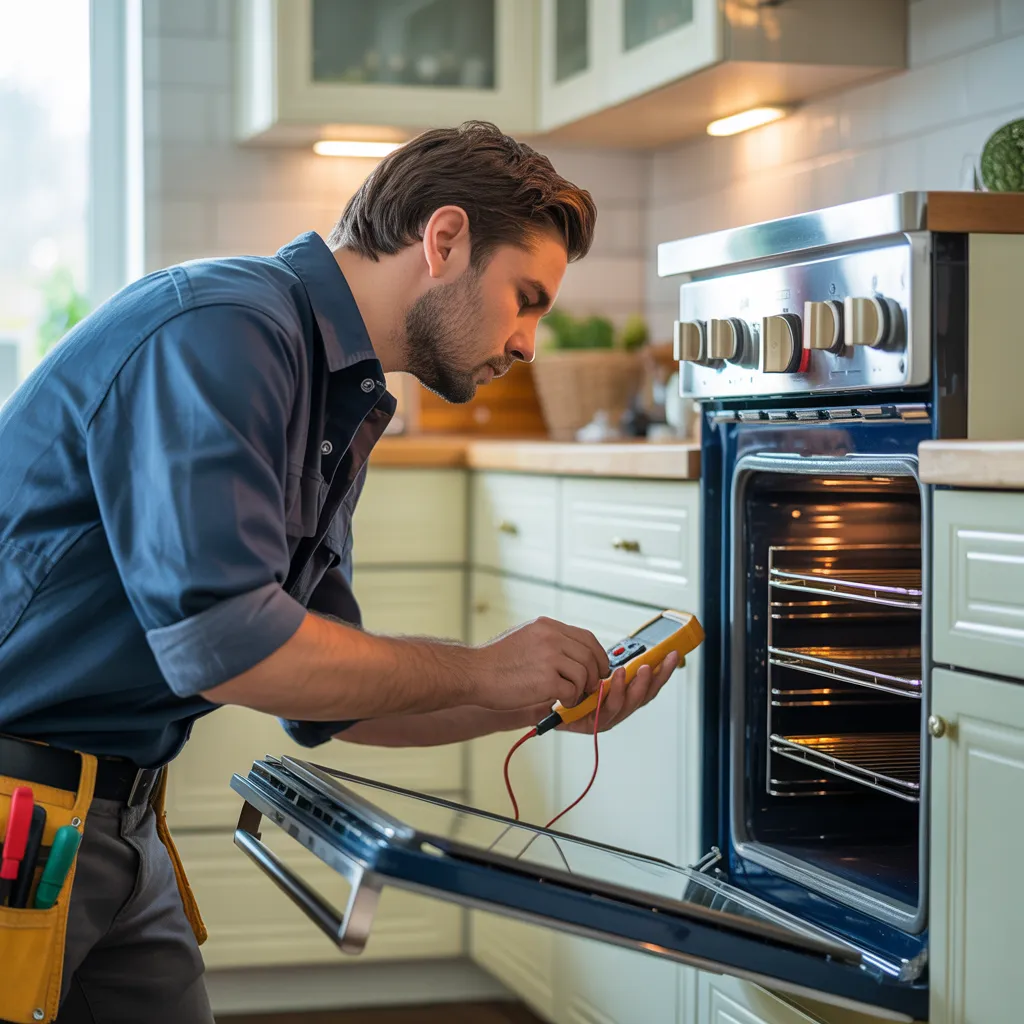
What measures can homeowners follow to identify typical oven issues? Initially, they should examine the power connection. Ensuring the oven is plugged in and the circuit breaker hasn't tripped is essential. After that, homeowners can examine the temperature adjustments and ensure they are accurately positioned. If the oven isn't heating, it may be beneficial to test the heating elements for continuity using a multimeter.
Additionally, unusual noises during operation may indicate a mechanical issue, calling for a careful review of the fan or motor. Homeowners ought to also inspect the door seal for signs of wear, as a poor seal can affect cooking efficiency. Lastly, reviewing error codes on digital displays can shed light on particular malfunctions. By thoroughly reviewing these components, homeowners can more effectively identify potential concerns, helping them to discuss their findings clearly with appliance repair professionals should expert intervention become necessary.
Resolving Dishwasher Drain Issues
Diagnosing dishwasher drainage issues calls for attentive examination and structured troubleshooting. If a dishwasher is unable to drain correctly, the issue typically stems from congested filters or restricted drain hoses. Users should first inspect the filter, which can accumulate food particles and debris, blocking the passage of water. A proper filter cleaning can address many drainage concerns.
Additionally, inspecting the drain hose is essential. A bent or clogged hose can keep water from flowing out of the appliance. Ensuring that the hose is free from obstructions will aid in restoring adequate drainage. Additionally, inspecting the air gap, when applicable, can expose clogs that restrict drainage.
In some instances, the malfunction may be associated with the dishwasher's pump system. If the pump is not functioning properly, it may require professional repair services to evaluate and resolve the issue. Timely intervention can avoid additional problems and guarantee the appliance operates efficiently.
The Importance of Not Postponing Appliance Repairs
Postponing appliance repairs can lead to serious problems for households. When appliances stop working properly, even minor issues can turn into discover now significant complications if not dealt with quickly. For example, a minor leak in a fridge can eventually lead to structural water damage, mold development, and rising energy expenses. Furthermore, disregarding warning signs often causes a full system failure, demanding costly repairs or complete replacement.
Furthermore, malfunctioning appliances can pose safety risks, such as electrical hazards or fire hazards in the case of faulty wiring. Residents may additionally face disruptions, such as disrupted daily routines and diminished quality of life. Swift repairs not only bring back full functionality but also increase the longevity of appliances, ultimately saving money in the long run. Hiring appliance repair specialists without delay ensures that faults are assessed correctly and handled efficiently, avoiding additional problems and maintaining home safety.
Answers to Popular Questions
How Do I Increase the Longevity of My Appliances?
To prolong the life of appliances, consistent upkeep is necessary. Cleaning, avoiding overloading, ensuring proper ventilation, and following manufacturer guidelines can significantly improve their performance and lifespan, which ultimately results in savings of time and money in the future.
Can DIY Repairs Be Safely Done on All Types of Appliances?
DIY repairs are not universally safe for all appliance types. While some minor issues can be addressed independently, complicated repairs generally necessitate professional skills to prevent potential hazards and further harm to the appliance.
How Do I Know When I Need Professional Appliance Repair?
Indicators that signal the need for expert appliance service include odd sounds, moisture issues, startup failures, unreliable operation, and diagnostic error codes. Early attention helps avoid further harm and keeps appliances running effectively and securely.
How Much Does Appliance Repair Usually Cost?
Appliance repair costs are generally between $100 and $300, based on the type of appliance and the nature of the problem. Elements like necessary parts, the complexity of labor, and geographic location can significantly impact the overall cost.
Can Routine Maintenance Help Prevent Appliance Problems?
Consistent maintenance can greatly prevent appliance malfunctions by ensuring ideal performance and detecting potential issues early. This preventative approach minimizes the chances of expensive repairs and increases the longevity of residential appliances.