The Most Common Appliance Issues and How Appliance Repair Services Help
Household appliances are essential to contemporary life, yet they commonly experience difficulties that can interrupt routine tasks. Common issues include fluctuating refrigerator temperatures, washing machine leaks, and oven performance failures. Although these problems may appear overwhelming, appliance repair services offer expertise in diagnosing and resolving such problems efficiently. Understanding how these services operate can provide valuable insights into maintaining appliances and avoiding costly repairs. What specific issues should homeowners be aware of to prevent further complications?
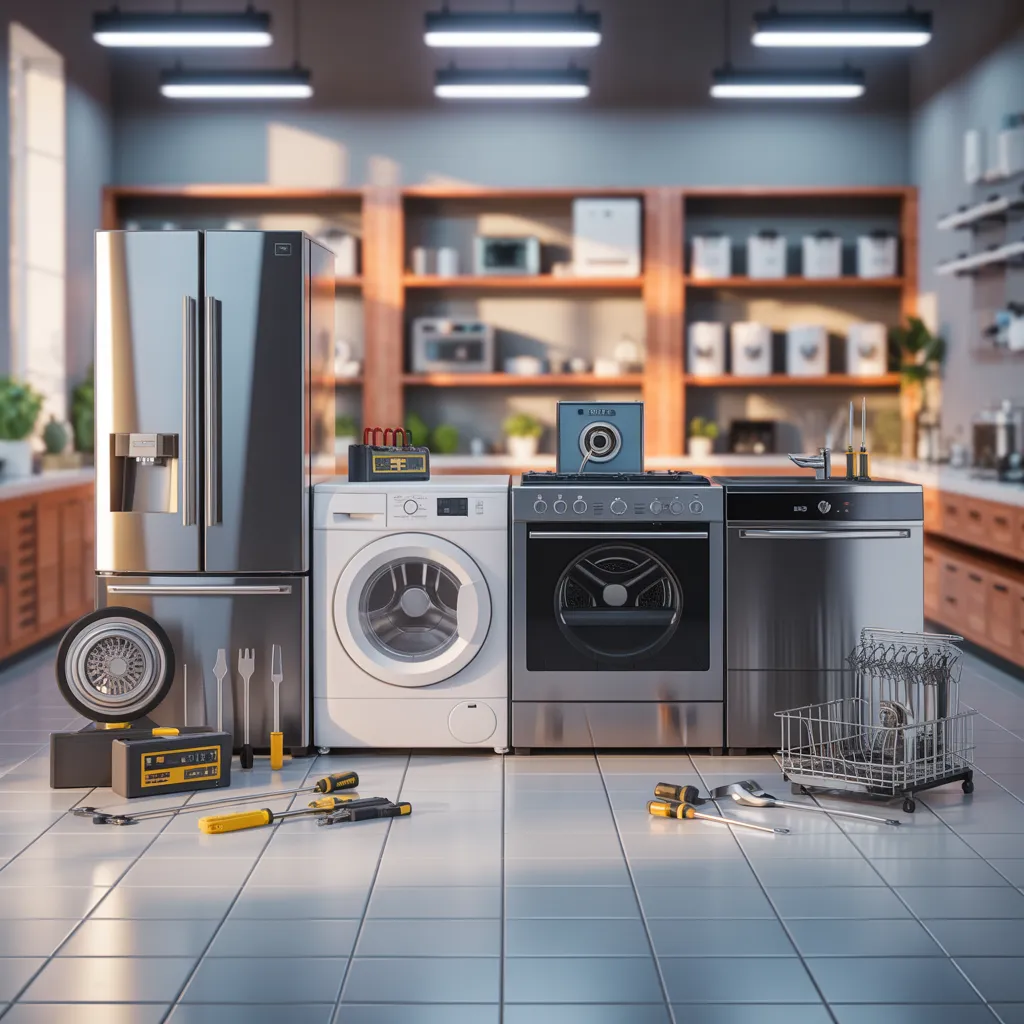
Detecting Common Appliance Faults
Numerous households encounter appliance malfunctions at some point, making it essential to identify common issues promptly. Common appliances including ovens, refrigerators, and washing machines can show symptoms of malfunction that, if ignored, may lead to more significant repairs. For instance, a refrigerator may fail to maintain an even temperature, resulting in spoiled food. Washing machines might present unusual noises or leaks, indicating potential mechanical failure. Ovens can struggle to distribute heat evenly or might not turn on altogether, leading to cooking frustrations. Additionally, dishwashers might display indications of poor cleaning performance or draining issues. Identifying these issues early may result in significant time and cost savings over time. Through understanding the typical symptoms associated with appliance malfunctions, homeowners can make informed decisions on when to contact professional repair services, guaranteeing their appliances stay efficient and reliable.
How to Troubleshoot Refrigerator Issues
When tackling refrigerator concerns, identifying common problems is the initial step toward resolution. Simple troubleshooting steps can often resolve minor issues, making it critical to know these techniques. However, knowing when to call in professionals can prevent further damage and guarantee effective repairs.
Typical Refrigerator Concerns
Refrigerators are indispensable home appliances, and facing issues can interfere with everyday life. Common issues include insufficient cooling, where perishables may go bad due to insufficient cooling levels. Disruptive noises, including popping or buzzing, can point to mechanical problems. Furthermore, water leaks may result from blocked defrost drains or compromised door seals, resulting in possible water damage. A common issue is ice accumulation in the freezer, which might stem from a malfunctioning thermostat or poor door closure. Finally, an unpleasant odor can arise from expired food or a malfunctioning evaporator fan. Being aware of these prevalent refrigerator concerns can enable homeowners to spot problems early and obtain proper repair services to effectively restore operation.
Basic Troubleshooting Steps
Detecting refrigerator faults can often be straightforward with a few simple troubleshooting steps. To begin, verifying the power source is critical; verifying the device is securely plugged in and the outlet is operational can resolve many issues. Then, reviewing the thermostat controls confirms they are properly set. Should the unit feel warmer than usual, examining the door seals for cracks or blockages can contribute to sustaining efficient cooling. Additionally, cleaning the condenser coils, typically located at the back or beneath the unit, can enhance performance. If frost builds up in the freezer, defrosting may be necessary. Lastly, pay attention to strange sounds, as such noises could point to internal malfunctions. These fundamental steps can frequently assist in diagnosing and correcting typical refrigerator problems efficiently.
When to Contact Experts
How can one determine when it's necessary to get expert assistance for refrigerator issues? Factors that signal the need for specialist intervention include ongoing temperature changes, odd noises, or water seepage. If basic troubleshooting—like verifying the power connection and maintaining the condenser coils—fails to resolve the problem, it may be necessary to contact a professional. Furthermore, if the refrigerator is older and subject to recurring malfunctions, opting for professional repair could prevent further costs. Less typical problems such as defective compressors or electronic failures usually necessitate technical expertise and specialized tools. Technicians not only detect problems efficiently but also offer long-term solutions, guaranteeing the unit runs effectively and securely. Recognizing these signs can save time and potentially prevent costly repairs.
Helpful Tips for Troubleshooting Washing Machine Issues
Although washing machines are designed for durability, they can experience a variety of problems that may affect their performance. To address common problems, users can first examine the power supply and verifying that the unit is connected and functioning properly. If the machine fails to draw water, it is important to check the water supply valves for obstructions or leaks. Furthermore, users should examine the door latch; a faulty locking mechanism can keep the appliance from turning on.
When appliances experience excessive vibration, repositioning the leveling feet may help balance the machine. Regular maintenance, such as cleaning the filter and hoses, can also prevent clogs and enhance performance. Finally, when unusual noises occur, users should verify that items are not trapped in the drum. By following these tips, individuals can often resolve minor washing machine issues before seeking professional repair services.
How to Diagnose Common Oven Problems
What measures can homeowners follow to identify typical oven issues? Initially, they should examine the power connection. Confirming the oven is securely plugged in and the circuit breaker has not been triggered is necessary. After that, homeowners can examine the temperature adjustments and ensure they are accurately positioned. Should the oven fail to heat up, checking the heating elements for continuity with a multimeter can prove helpful.
Additionally, odd noises while running might point to a mechanical fault, calling for a careful review of the fan or motor. Homeowners ought to also inspect the door seal for signs of wear, as a poor seal can affect cooking efficiency. Lastly, reviewing error codes on digital displays can shed light on particular malfunctions. By systematically addressing these aspects, homeowners can better understand potential issues, allowing them to convey their concerns accurately to appliance repair technicians read guide when expert help is required.
Addressing Dishwasher Drainage Concerns
Addressing issues with dishwasher drainage calls for thorough observation and systematic diagnosis. When a dishwasher does not drain as expected, it often results from congested filters or restricted drain hoses. Users should first inspect the filter, as it may collect food residue and debris, impeding proper water drainage. A proper filter cleaning can address many drainage concerns.
Moreover, checking the drain hose is essential. A bent or clogged hose can block water from leaving the appliance. Confirming that the hose is free of clogs will help restore proper drainage. Additionally, checking the air gap, if present, can identify blockages that interfere with drainage.
In some instances, the malfunction may be associated with the dishwasher's pump. If the pump is malfunctioning, it may require skilled technicians to assess and fix the malfunction. Timely intervention can stop further damage and ensure the unit functions properly.
Why Delaying Appliance Repairs Is a Mistake
Putting off appliance repairs can result in significant consequences for homeowners. When appliances malfunction, even minor faults can develop into serious issues if not addressed promptly. For example, a small leak in a refrigerator can eventually lead to mold growth, water damage, and higher energy bills. Additionally, ignoring warning signs often leads to a complete breakdown, requiring higher-cost repairs or full unit replacement.
Furthermore, faulty appliances may present serious safety concerns, such as electrical and fire-related dangers stemming from compromised wiring. Households can also encounter significant inconveniences, such as disrupted daily routines and diminished quality of life. Timely repairs not only restore functionality but also extend the lifespan of appliances, effectively reducing costs over time. Reaching out to appliance repair experts in a timely manner assures that concerns are evaluated thoroughly and resolved promptly, eliminating potential complications and safeguarding the well-being of the household.
Common Questions and Answers
How Can I Extend the Lifespan of My Appliances?
To extend the lifespan of appliances, regular maintenance is essential. Routine cleaning, refraining from overloading, guaranteeing adequate ventilation, and complying with manufacturer instructions can greatly enhance their durability and efficiency, which ultimately results in savings of time and money in the future.
Are DIY Repairs Safe for All Appliance Types?
DIY repairs cannot be considered universally safe across all appliance types. While some minor issues can be addressed independently, intricate repairs typically demand professional knowledge to avoid safety risks and additional appliance damage.
What Are the Signs That I Need Professional Appliance Repair?
Indicators that signal the need for expert appliance service include strange sounds, water leaks, inability to power on, erratic performance, and error messages. Prompt action stops additional damage and ensures appliances function properly and safely.
What Are the Typical Costs for Appliance Repair Services?
Appliance repair costs are generally between $100 and $300, depending on the issue and appliance type. Elements like necessary parts, the complexity of labor, and geographic location can significantly impact the overall cost.
Can Scheduled Maintenance Prevent Appliance Breakdowns?
Regular maintenance can greatly prevent appliance problems by ensuring ideal performance and detecting potential issues early. This forward-thinking approach reduces the likelihood of costly repairs and increases the longevity of household appliances.